One Line Feminine Motif 6 Leathercraft
As someone who has spent years digitizing and stitching custom apparel for boutique brands, I have learned to spot a design that translates well from screen to fabric almost immediately. When I first opened the One Line Feminine Motif 6 Leathercraft file from Creative Fabrica, I felt that familiar spark of possibility. This is not just another decorative stitching pattern—it is a piece of line art that carries a specific mood, one that feels both modern and timeless. For anyone working on sweatshirt embroidery, hoodie design, or custom apparel collections, this motif deserves a close look before you commit thread and stabilizer.
The product is listed under Hand Embroidery Patterns, but do not let that category limit your thinking. The same clean contours that make it suitable for handwork also make it a strong candidate for machine embroidery, especially when you are aiming for a minimal, feminine, and slightly artistic look on ready-to-wear garments. I want to walk through how this design performs in real boutique scenarios, where every stitch count and placement decision affects the finished product.
First Impressions and Visual Personality
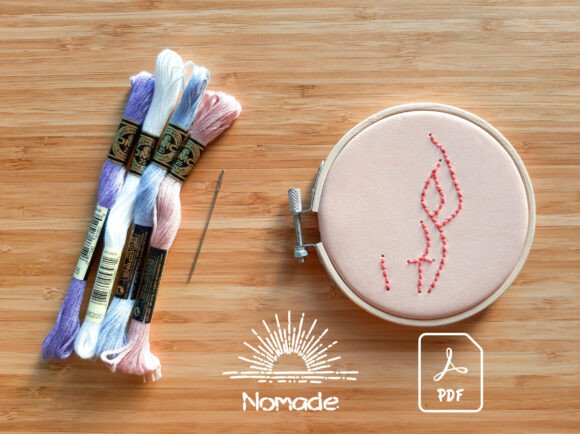
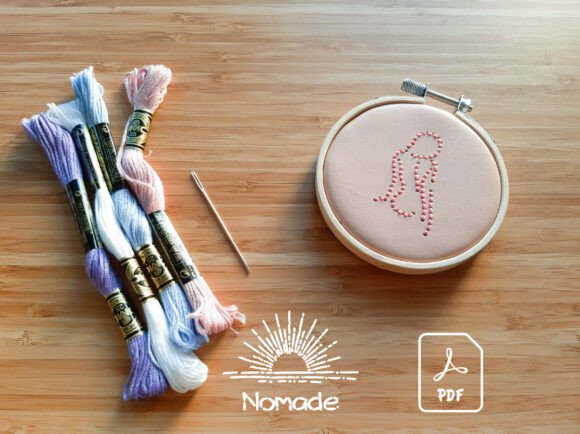
The One Line Feminine Motif 6 Leathercraft pattern is built around a single continuous line that shapes a female profile. The effect is understated yet elegant. It does not scream for attention—it invites the viewer to notice the flow of the line, the negative space, and the quiet confidence of the silhouette. This is not a bold, graphic statement. It is a subtle accent that works well on garments meant to feel curated rather than mass-produced.
The visual personality sits somewhere between minimal and classic, with a touch of rustic femininity. It does not lean cute or playful in the way that cartoon or floral motifs do. Instead, it feels intentional, almost like a signature. For boutique apparel decorators who want to offer something that feels premium without being overly ornate, this design hits a sweet spot. It also carries a leathercraft tag in the title, which hints at the original intended use, but I find it translates beautifully to fabric when the right thread color and placement are chosen.
Performance on Sweatshirts and Hoodies
I tested this motif on a medium-weight cotton-blend sweatshirt in a neutral oatmeal color, using a mid-range digital embroidery machine. The file offered four sizes, which gave me flexibility to decide between a small chest accent and a larger back design. For sweatshirt embroidery, I found the medium size most appealing for a left chest placement—roughly three inches wide. The line work remained crisp, and the stitch density felt balanced enough to hold its shape without causing the fabric to pucker.
On hoodie fleece, the design performed well as a centered chest piece, especially when paired with a lighter thread color like soft blush or cream. The continuous line nature of the motif means there are no heavy fill areas, so the garment retains its drape and softness. This is a critical point for anyone planning to sell finished products to customers who expect comfort. A design that stiffens the fabric unnecessarily can hurt the hand feel of a hoodie or oversized sweatshirt.
I also experimented with sleeve placement. A small version of the One Line Feminine Motif 6 Leathercraft running vertically along the outer sleeve of a pastel hoodie created a subtle brand accent that did not overpower the garment. For boutique merchandise, this kind of restrained detail can elevate a basic piece into something that looks intentional and exclusive.
Placement Options for Boutique Appeal
Placement is where this design truly shows its versatility. Because the motif is a single line, it can be scaled and positioned in ways that denser designs cannot. Here are the placement ideas I tested and recommend for apparel projects:
- Small chest placement on t-shirts and sweatshirts: A two-inch version centered on the left chest works perfectly for a subtle brand mark or decorative accent. It reads as refined and modern.
- Back neck or upper back design: A medium size placed just below the collar on a denim jacket or sweatshirt gives a minimalist label effect that feels expensive.
- Center back statement: The largest size of the motif can serve as a focal point on the back of an oversized hoodie. Because it is line art, it does not compete with the garment structure.
- Sleeve accents: A small vertical placement on the sleeve of a tote bag or jacket adds a custom touch without requiring a full back or front design.
- Tote bag branding: On a canvas tote, the motif sits naturally near the center of the bag. It works well as a single decorative element that does not require additional text.
For Etsy sellers and small shop owners, having a design that can be used in multiple placements means you can create a cohesive product line with one embroidery file. That kind of efficiency is valuable when you are managing inventory and production time.
Fabrics and Garments That Work Best
Not every fabric is a good match for line art embroidery. The One Line Feminine Motif 6 Leathercraft benefits from fabrics that have a smooth surface and minimal stretch. I found it performed best on cotton-blend sweatshirt fleece, linen-blend tote bags, denim jackets, and medium-weight t-shirts. The line definition stays clean because the fabric does not distort the stitches.
On stretchy ribbed fabric or very lightweight jersey, the design may require extra care. The continuous line can pull slightly if the fabric is not properly stabilized, causing the silhouette to lose its graceful curve. If you plan to embroider on stretchy apparel, I recommend using a cutaway stabilizer and a light topping to prevent the stitches from sinking into the fabric texture.
Dark garments present an interesting opportunity. Because the design is line art, it relies on contrast to be visible. A bright thread color like white, silver, or pastel pink on a black hoodie creates a striking effect. However, on dark fleece, the line density needs to be sufficient to avoid looking thin or lost. I tested it on a deep navy sweatshirt with a soft gold thread, and the result was elegant and readable. The key is to choose a thread color that stands out without competing with the line flow.
Potential Challenges and How to Address Them
Every embroidery designer knows that even the most beautiful digital file can encounter issues during production. With the One Line Feminine Motif 6 Leathercraft, the main considerations revolve around stitch density, fabric stretch, and stabilizer choice. Here are the challenges I identified and how I worked through them:
- Stitch density on light fabrics: The line art is continuous, so the density is moderate but not heavy. On very lightweight t-shirts, I added a tear-away stabilizer and a light topping to prevent the stitches from distorting the fabric weave.
- Stretching on fleece and ribbed knits: Fleece can shift under the needle, especially if the hoop is not tight enough. I recommend hooping the stabilizer firmly and floating the garment to maintain alignment. Test on a scrap piece of similar fabric before stitching the final product.
- Curved surfaces like sleeves and collars: Placing this motif on a curved area requires careful hooping. I suggest using a smaller hoop for sleeve placements and checking that the design does not wrap too far around the curve, which can distort the line flow.
- Thread color contrast: Because the design relies on line weight, low-contrast thread choices can make the motif hard to read. Metallic or shiny threads can add visibility, but test first to ensure the machine handles them smoothly.
For anyone planning to sell finished products, I strongly advise embroidering a test sample on the exact garment fabric you intend to use. This is not a step to skip. A test sample reveals any issues with stitch density, tension, or placement that might not be obvious from the digital file alone.
Effect on Brand Identity and Customer Engagement
In boutique apparel, the design you choose communicates something about your brand. The One Line Feminine Motif 6 Leathercraft conveys a sense of curated minimalism. It suggests that the maker values clean lines and thoughtful details over loud graphics. For small shop brands and Etsy sellers, this design can help establish a visual identity that feels consistent and professional.
When customers see a garment with a well-executed line art motif, they often perceive it as higher quality and more intentional. This perception translates into buyer trust and product recognition. A hoodie with a subtle chest motif feels more like a designer piece than a generic blank. That difference matters when you are competing in the custom apparel space, where every detail contributes to the perceived value of the finished product.
For social media graphics and product photography, this design photographs beautifully. The clean lines stand out in flat lay images and on-model shots, making it easier to showcase the embroidery detail. If you use printable mockups for your listings, the motif scales well and does not overwhelm the garment silhouette. This visual consistency helps build a cohesive brand presence across your shop and marketing channels.
Practical Embroidery Designer Notes
Before you purchase and use the One Line Feminine Motif 6 Leathercraft for commercial embroidery, here are the practical steps I follow for every new design:
- Test on scrap fabric first. Use the same fabric type as your final garment to check stitch quality, tension, and thread appearance.
- Choose your stabilizer carefully. For sweatshirt fleece, a medium-weight cutaway stabilizer works well. For stretchy knits, consider adding a topping to prevent stitches from sinking.
- Confirm thread color contrast. Hold your thread choices next to the garment fabric in natural light. The line should be clearly visible without straining the eye.
- Check hoop size. The four sizes offered in the file give flexibility, but make sure your hoop can accommodate the largest version if you plan to use it for back designs.
- Review stitch density. While the design is not overly dense, test on lightweight fabric to ensure the fabric does not pucker or show needle holes after removal.
- Compare placement options. Before stitching the final product, pin a paper template of the motif on the garment to visualize the exact position.
- Read the Creative Fabrica product details. Verify the file format, any licensing terms, and whether the design is compatible with your embroidery machine. The product listing indicates it is offered in four sizes, but confirm the formats before downloading.
These steps may seem basic, but they save time and material in the long run. A design that works perfectly on one fabric may require adjustments on another. Treat every new motif as a fresh test, especially when it is as distinctive as this one.
Final Thoughts on Using This Design for Boutique Apparel
The One Line Feminine Motif 6 Leathercraft from Creative Fabrica is a versatile addition to any embroidery designer's file library. Its clean line art aesthetic fits naturally into the current trend toward minimal, feminine details on sweatshirts, hoodies, t-shirts, and tote bags. Whether you are building a small product line for an Etsy shop or creating custom pieces for a boutique brand, this motif offers a sophisticated option that does not rely on heavy stitching or complex fills.
I appreciate that the design is offered in multiple sizes, which allows for creative placement without needing to rescale the file manually. The visual personality is warm, artistic, and approachable—qualities that resonate well with customers looking for handmade products that feel personal. As with any embroidery file, the final result depends on your fabric choice, stabilizer technique, and thread selection. But the foundation of a good design is already there in the line work.
For apparel decorators who value subtlety and elegance, the One Line Feminine Motif 6 Leathercraft is worth testing for your next hoodie design or sweatshirt embroidery collection. It is the kind of motif that rewards careful placement and thoughtful production choices. And in a market where small details define a brand, that attention to craft is exactly what sets your finished products apart.