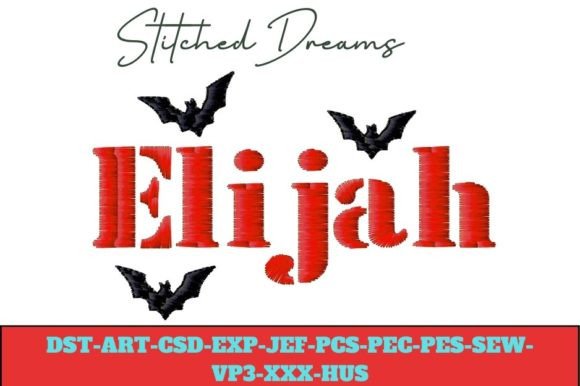
Elijah Embroidery Design Review for Small Business Merch
As an embroidery designer who has spent years digitizing logos and consulting with apparel decorators, I rarely get excited about a name design without first tearing it apart in my head. The Elijah Embroidery Design immediately drew my attention because it dares to be more than just a name. It promises intricate details with a playful, seasonal spirit. For a small business owner or custom embroidery shop, this isn't just a stitch file—it is a potential brand identity anchor. Whether you own a café called Elijah’s, a boutique, or a creative studio, the question is: does this embroidery file hold up to the rigors of commercial embroidery and real-world merchandise production? Let me walk you through the audit.
First Impressions: A Premium Nameplate with Personality
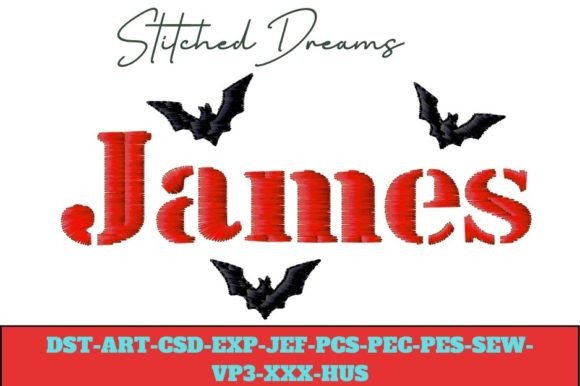
The first thing I look for in a machine embroidery design is visual balance. The “Elijah” name has a natural flow—long enough to build a narrative, short enough to keep production time low. The digital embroidery file takes advantage of this by wrapping the lettering in a playful, intricate aesthetic. It does not feel like a generic monogram; it feels intentional. For a handmade product brand or a local business trying to stand out, this immediate character is gold. It tells your customer that you care about the details before they even touch the finished product.
However, because the design leans into intricate detailing and seasonal playfulness (often synonymous with higher stitch counts), I immediately flagged the stitch density as a primary concern for production. A high density creates a plush, premium texture that feels luxurious on a structured tote bag design or a denim apron. But it can be a liability on thinner fabrics. This is where an experienced eye separates a flawless production run from a puckered disaster.
A Seasonal Asset with Year-Round Potential
While the design is rooted in the Halloween spirit, its structure is versatile. The playful elements can be interpreted as whimsical or magical rather than strictly spooky. This means a small business merch drop doesn't have to end on November 1st. A florist named Elijah could use this on apron embroidery into the winter season. A pet brand could adapt the vibe for a "magical creatures" line. The key is how you frame it in your brand identity and what thread colors you choose to execute the design.
Real-World Business Applications for the Elijah Design
Let’s get practical. I have reviewed thousands of designs for custom apparel projects. Here is exactly where I see the Elijah Embroidery Design providing the most return on investment for an embroidery shop or handmade product seller.
Staff Uniforms and Apron Embroidery
For a café, bakery, or creative studio, a name patch or chest logo builds immediate rapport with customers. The Elijah design works beautifully as a chest logo accent on a work shirt or a centered piece on a canvas apron. The playful structure softens the professional look, making it perfect for businesses that prioritize a friendly, artisan atmosphere. I would recommend keeping the design between 3 to 4 inches wide for this application to ensure the intricate details remain crisp without overpowering the garment.
Embroidered Patches and Tote Bag Designs
Embroidered patches are incredibly popular for merch and Etsy shops. The Elijah design makes for an excellent branded patch because the name is the hero. You can offer these as "iron-on" or "sew-on" items. For a tote bag design, stitch it directly onto canvas or offer it as a patch. The durability of the stitching matches the durability of a canvas tote, making it a perfect pair. This is a high-margin item for small business merch strategies because it requires low inventory risk.
Cap Embroidery and Curved Surfaces
Here is where we need to be honest about limitations. Cap embroidery is one of the most technically demanding applications. If the "intricate details" in the Elijah design include wide flourishes or dense fill patterns at the edges, it might not compress well onto a curved cap front.
My advice: Test it on a cap mockup first. If the design is too wide (over 5 inches), it will wrap awkwardly. You might need to request a modified version of the digital embroidery file that reduces the side details, keeping the focus purely on the name for a structured hat profile. A printable mockup can save you hours of trial and error here.
Technical Deep Dive: Density, Fabric, and Finish
As a designer, my job is to protect you from production nightmares. Let’s talk about the stitch structure of the Elijah Embroidery Design.
Managing Stitch Density for Durability
High stitch density creates that beautiful, thick, "embroidered" feel that customers pay a premium for. But dense stitching can make fabric brittle and stiff. For the Elijah design to perform well on custom apparel that needs to endure frequent washing (like staff uniforms or aprons), you must use a high-quality stabilizer.
I strongly recommend a mid-weight or heavy cutaway stabilizer for this design. Tear-away stabilizers can distort the intricate shapes of the lettering, especially if the playful elements involve sharp corners or small detailing. Do not skip this step if you want the finished product to look professional for more than one wash cycle.
Thread Colors and Fabric Texture Choices
The description implies a playful vibe. This gives you a lot of freedom with thread colors. For a boutique brand, consider using a metallic or neon thread for the accents to create a "Halloween-party" look. For a premium local business, stick to a two-tone palette—classic black and white, or maybe deep purple and gold.
Be mindful of fabric texture. A smooth twill uniform will showcase the intricate details much better than a heavily textured sweater knit. If you are working with fleece or heavy textures, simplify your expectations. The machine embroidery design will still look great, but some of the fine "playful essence" might get lost in the nap of the fabric.
Brand Identity and Customer Perception
In my experience, a business that invests in personalized, high-quality embroidery immediately signals professionalism and stability. The Elijah Embroidery Design, when applied correctly, elevates a small operation into a "real brand" in the eyes of the customer. It builds visual consistency across your design assets.
Imagine a customer receiving a purchase in a simple paper bag, but it’s closed with a sticker featuring the embroidered Elijah design. Or a staff member who wears a hat with that patch. It creates a cohesive story. This is how brand identity is built—not just through logos, but through tactile, high-quality touches. The Elijah design gives you an asset that feels like a collector's item rather than a commodity. For Etsy sellers and craft businesses, this is how you justify a premium price point.
Practical Designer Notes for Production Readiness
Before you upload this embroidery file to your machine or send it to a client, I want you to follow this checklist. These steps have saved me hundreds of dollars in wasted thread and materials.
- Test in Black and White First: Stitch the design using a single dark thread and a light fabric. This forces you to see the true texture and density without the distraction of color. If it looks good here, it will look excellent in color.
- Inspect Spacing and Sizing: Open the digital embroidery file in your editing software. Check the spacing between the letters. For tote bag design, you can go larger. For cap embroidery, you may need to compress the width.
- Check Hoop Size Requirements: Verify the default hoop size for the design. Does it fit a 4x4 hoop, or does it require a 5x7? This will affect your pricing and production speed. If it only fits a larger hoop, plan your layout accordingly.
- Create a Mockup for Client Approval: Never skip this step. Use a printable mockup to show the client exactly how the design sits as a chest logo on a t-shirt or an embroidered patch on a apron. This prevents expensive "change my mind" situations after the final sew-out.
- Confirm Commercial Licensing: This is critical. The design is in the Halloween category. Before you stitch it for a client’s commercial embroidery project or sell it on small business merch, confirm that the license allows for commercial use. If the sales page is unclear, contact the designer. Do not assume.
- Compare with Other Design Assets: If your brand already has a logo or specific font, hold the Elijah design ups to it. Does it fit the family of your design assets? A mismatch here can confuse your brand identity.
Final Verdict from a Designer’s Perspective
The Elijah Embroidery Design is not just a decorative file. It is a viable business tool. It offers the perfect balance between playful character and structured professionalism that small businesses, apparel decorators, and handmade brands need to stand out. Its strength lies in its ability to transform a simple name into a memorable branded patch or custom apparel piece.
Respect the technical requirements—especially the stitch density and stabilizer—and this design will reward you with a finished product that builds trust, drives recognition, and sells itself. If you are looking to add a touch of premium, whimsical identity to your merchandise line or Etsy shop, the Elijah Embroidery Design is a strong contender worthy of your next production run.