ITH Glasses Case Bag: A Craft Fair Seller Review
Every season as I prepare for weekend craft fairs, I pull out my stack of in-the-hoop projects and give each design a hard look. Some embroidery files look great on screen but fall flat in person. Others surprise me with their sales appeal. The ITH Glasses Case Bag is one of those designs that sits right in the sweet spot between practical handmade product and eye-catching booth display. As someone who has been stitching and selling for years, I want to walk through what this machine embroidery design offers, how it performs on the table, and whether it deserves a spot in your production lineup.
First Impressions of the ITH Glasses Case Bag
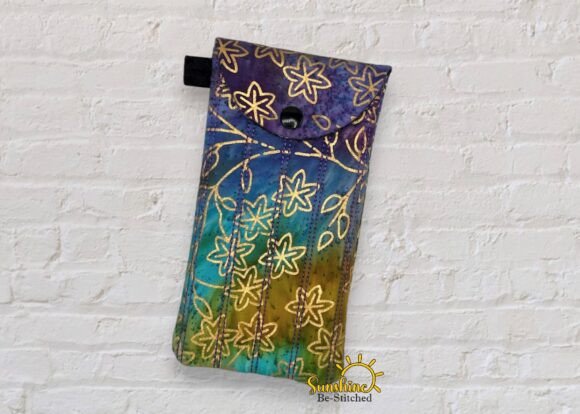
When I first opened this embroidery file, my immediate thought was elegant and approachable. The description promises beautifully quilted construction with decorative stitching, and the design reads as a refined, feminine accessory. It does not scream for attention with loud colors or novelty shapes. Instead, it offers a quiet polish that appeals to customers who value craftsmanship. The quilted texture gives it a premium, almost heirloom quality. For a craft fair product, that first impression matters. Shoppers walking past a booth make split decisions, and this case catches the eye through subtle structure rather than gimmicks. It feels like a small luxury item, something a customer would reach for when they want to treat themselves or gift someone special.
Where This Design Shines in a Booth Display
I have tested dozens of machine embroidery design options on my table, and the ITH Glasses Case Bag holds its own among tote bags, aprons, tea towels, and small pouches. Here is how it fits into a real-world craft fair setup.
Tote Bags and Market Bags
This case pairs beautifully with quilted tote bags or lined market bags. Displaying a matching set shows customers that you think about cohesive style. The glasses case becomes an upsell item, something they add when they buy a tote. I have found that accessories like this increase average sale value because customers appreciate the complete look.
Apron and Tea Towel Pairings
If you stitch aprons or tea towel embroidery with a farmhouse or modern aesthetic, the ITH Glasses Case Bag fits right in. The quilting and decorative stitching echo the details often found on high-end aprons. I set up a small vignette with an apron, a tea towel, and the glasses case stacked together. That grouping consistently draws browsers into my booth.
Embroidered Patches and Small Pouches
While this design is an in-the-hoop project, I also create embroidered patch versions for customers who want to attach them to bags or jackets. The quilted look translates well to patch format if you adjust the backing. Small fabric pouches with this design also sell well as standalone gifts.
Pillow Covers and Home Accents
For home decor lovers, a mini pillow cover or padded glasses case becomes a decorative accent. This design works as a focal piece on a small lumbar pillow or an accent cushion. Customers buying for a guest room or reading nook often pick up both a pillow and a coordinating glasses case.
Practical Selling Points for the Craft Fair Table
What makes the ITH Glasses Case Bag a strong handmade product for sellers? Let me break down the factors that matter when you are standing behind a booth all weekend.
- Instant appeal at a glance. Customers understand what it is within seconds. A glasses case needs no explanation. The quilted texture reads as quality from across the table.
- Works as both a small accent and a focal design. The case itself is the product, so it does not compete with other embroidered areas. It is the star of its own piece.
- Photographs well for online listings. I use a printable mockup for my Etsy shop, and the stitched version looks even better in photos. The quilting creates depth that shows up nicely in natural light. For Etsy sellers, good photos are half the battle.
- Repeatable for batch production. Once I dial in my hoop size, stabilizer, and thread colors, I can stitch several cases in an evening. That makes it a viable small shop product for market season.
Production Notes from an Experienced Embroidery Designer
Before you load this embroidery file and start stitching for your next fair, let me offer some practical notes based on my own testing. These are the details that separate a polished finished product from one that feels off.
Stitch Density and Thread Colors
The quilted effect requires moderate to dense stitching. That is what gives the case its structure and elegant feel. However, dense areas can cause fabric puckering if you do not use the right stabilizer. I recommend testing the design on scrap fabric first. Check the stitch density in your software and confirm that your machine can handle the layers. If the design feels too heavy, adjust the stitch density by a few percent. Also, pay attention to thread colors. The description mentions decorative stitching, so choose a thread that contrasts subtly with the base fabric. A tone-on-tone look is sophisticated for a farmhouse or modern booth, while a metallic or bright accent thread works for a more playful display.
Hoop Size and Stabilizer Choice
Because this is an in-the-hoop project, the hoop size matters. Confirm that your hoop accommodates the full design before cutting fabric. I use a firm cutaway stabilizer for glasses cases because they need to hold shape. Tearaway may work for lighter projects, but for a case that will be handled daily, cutaway gives better longevity. If you are selling to customers who want durability, stabilizer choice becomes a selling point you can mention.
Fabric Texture and Color
The ITH Glasses Case Bag performs best on medium-weight cotton, linen, or quilting cotton. Thick fabrics like denim or canvas may cause the machine to struggle with dense areas. Fabric texture affects how the quilting reads. Smooth fabrics highlight the stitching clearly, while textured fabrics add visual interest. For dark fabric, test thread contrast carefully. Dark backgrounds can swallow fine decorative stitching, making the design lose clarity. I prefer medium or light fabrics for this particular design, but a dark fabric with a bright metallic thread can create a striking look for evening events.
Small Details and Lettering
If the design includes any small lettering or fine details, check the size before stitching. Tiny details can lose definition when scaled down. This is a common issue with many digital embroidery file assets. I always stitch a test sample at the exact size I plan to sell. If details blur, I either enlarge the design slightly or simplify the thread palette.
Visual Appeal and Customer Attention
At a craft fair, your booth needs to stop people in their tracks. The ITH Glasses Case Bag does that through texture and quality rather than shouting. Here is how it affects key aspects of selling.
- Visual appeal. The quilted surface creates shadows and highlights that draw the eye. Customers run their fingers over the stitching. That tactile engagement often leads to a sale.
- Customer attention. Because it is an accessory, it gets noticed by shoppers who already wear glasses or know someone who does. That built-in need makes it an easy impulse buy.
- Product value. The in-the-hoop construction feels substantial. Customers perceive it as a high-quality handmade product worth paying for. I price these cases higher than simple pouches because the workmanship shows.
- Brand consistency. If you focus on elegant, quilted, or farmhouse-style items, this design reinforces your brand. A cohesive booth builds trust and repeat customers.
- Booth display strength. I stack several cases in a small basket or tray near my register. They are the last thing customers see before paying, and that placement drives add-on sales.
- Buyer engagement. When I explain that I stitched the case in the hoop, customers are impressed by the technique. That story adds value and makes them feel they are buying something special.
Careful-Use Notes for Best Results
No design is perfect for every situation. Here are the considerations I keep in mind when working with the ITH Glasses Case Bag.
- Dense stitch areas. As mentioned, the quilting creates density. Monitor your machine tension. If you hear skipping or see thread breaks, reduce speed or adjust tension.
- Tiny details. If the decorative stitching includes very small elements, scale up the design or simplify. Tiny details can turn into thread nests on textured fabric.
- Small lettering. Lettering under a quarter inch often fails to stitch cleanly. Test it. If it blurs, drop that element or resize.
- Thick fabric. Denim, canvas, or heavy upholstery fabric may cause registration issues. Stick to medium-weight fabrics for this design.
- Textured towels or knits. I do not recommend this design for tea towel embroidery or terry cloth if you want the quilted effect to show. Smooth fabrics work best.
- Curved cap surfaces. This is a flat in-the-hoop project, so avoid adapting it for caps or curved surfaces without redesigning the file.
- Dark fabric. Test thread contrast thoroughly. Light threads on dark fabric can look striking, but only if the design reads clearly.
- Loss of clarity at smaller sizes. If you scale down the design for a mini version, check that the quilting pattern still looks intentional rather than messy.
Practical Embroidery Designer Notes
Before you commit to producing the ITH Glasses Case Bag for your next market, run through this checklist. These steps save time and prevent disappointment on show day.
- Test on scrap fabric. Always stitch a sample on fabric similar to your final product. Adjust tension, thread, and stabilizer as needed.
- Check thread contrast. Hold your chosen thread colors against the fabric in natural light. If they blend too much, the quilting effect disappears.
- Review spacing. Ensure the design fits comfortably within your hoop without crowding the edges.
- Confirm hoop size. Measure your hoop and compare it to the design dimensions. In-the-hoop projects require precise fit.
- Inspect stitch density. Dense areas can cause fabric distortion. Adjust if your machine struggles.
- Use the right stabilizer. Cutaway stabilizer for structure, tearaway for lighter use. Match stabilizer to fabric weight.
- Create at least one real mockup. A stitched sample tells you more than a printable mockup ever will. Stitch a full case, finish it, and display it.
- Compare fabric colors. Offer two or three color options at your booth. Customers love choice, and variety makes your display look fuller.
- Confirm commercial licensing. Before selling any finished product made from this digital embroidery file, check the license terms. Some design assets require a commercial license for resale. Know your rights as an Etsy seller or small shop product creator.
Final Thoughts on the ITH Glasses Case Bag
For anyone running a handmade product business, whether you are an Etsy seller, a craft fair veteran, or a boutique maker just starting out, the ITH Glasses Case Bag deserves a place in your rotation. It is elegant without being fussy, practical without being boring. The quilted construction and decorative stitching give it a premium feel that customers notice immediately. When I add this case to my booth display, it sells steadily alongside tote bags, aprons, and pillow covers. It fills a niche that many shoppers actively look for, a protective case that does not sacrifice style.
My advice is to stitch a prototype, refine your fabric and thread choices, and then produce a small batch for your next market. Watch how customers react when they pick it up. That tactile response tells you everything. The ITH Glasses Case Bag is a solid, sellable machine embroidery design that elevates your craft fair product lineup. It adds depth to your table, builds your brand as a quality maker, and gives customers a reason to buy more than they planned. That is exactly what any embroidery business owner wants from a digital embroidery file.