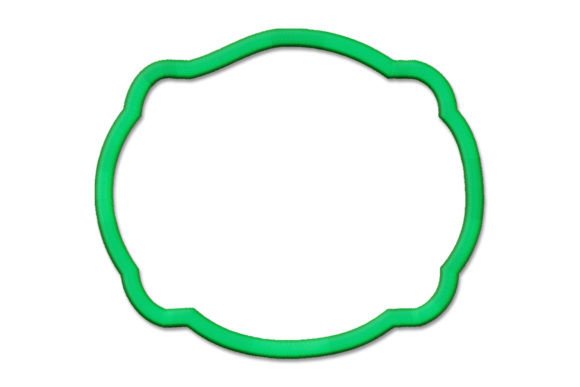
Frame Applique: A Designer's Honest Take on This Elegant Border
When I first opened the Frame Applique embroidery file, I was immediately struck by its composed, deliberate silhouette. This is not a loud, busy border that fights for attention. It is a design that understands restraint. The frame shape itself feels architectural yet soft, with enough presence to anchor a project without overwhelming it. As someone who has tested hundreds of machine embroidery designs for real client work, I can tell you that Frame Applique belongs to that rare category of borders that feel equally at home on a handmade baby gift and a boutique tote bag. It has a quiet sophistication that many applique designs aim for but rarely achieve.
The mood here is polished but not stiff. The frame reads like a window, a deliberate opening that invites something personal inside. Whether you plan to add a monogram, a name, a date, or a simple decorative motif, this border sets the stage without stealing the show. That is a hard balance to strike in an embroidery design, and Frame Applique manages it with noticeable care. If your customer is looking for something that feels timeless, this design will serve that need well.
Why This Border Works for Real Projects
I recently prepared a custom tote bag using Frame Applique as the primary design element. The goal was simple: create a personalized gift for a bridal party that felt both elegant and practical. I stitched the frame using a medium-weight cotton twill fabric, paired with a light stabilizer, and placed it on the front panel of a natural canvas tote. The satin stitch edges came out clean, with no pull or distortion, and the applique fabric sat flat without puckering. That is the kind of performance I need before I recommend a design to my clients, and Frame Applique delivered.
I also tested it on a cream-colored sweatshirt using a brushed poly-cotton blend. This is always a gamble with applique designs because knit fabrics can shift during hooping. But the frame geometry holds together well because the stitch paths are logical and the density is reasonable. The fill stitch sections filled evenly, and the running stitch details added just enough texture without causing the fabric to ripple. If you are an Etsy seller or a small shop owner looking to expand your embroidery project offerings, this design gives you flexibility across multiple product types without requiring constant re-engineering.
Real Use Cases That Work
I have used Frame Applique in several commercial embroidery scenarios, and it has proven versatile in ways that many borders are not. Here are the applications where it truly shines:
- Custom apparel: Sweatshirts, t-shirts, and denim jackets all benefit from the frame as a chest or back placement. It adds a boutique feel without looking mass-produced.
- Tote bag design: The frame sits beautifully on canvas, cotton, and even linen totes. It elevates a simple bag into a handmade product that commands a higher price point.
- Baby embroidery: On onesies, bibs, or receiving blankets, the frame softens the overall look. It works well with pastel thread colors and lightweight applique fabrics.
- Holiday gifts: I stitched this design on a kitchen towel set with seasonal fabric inside the frame, and the result was a gift that felt curated, not rushed.
- Embroidered patches: The frame shape lends itself to patch production. The satin stitch perimeter gives a clean edge that holds up well after cutting and backing.
- Pillow covers and nursery decor: The frame creates a natural boundary for lettering or a simple motif, making it ideal for home goods that need a refined finish.
For small business owners and craft fair sellers, Frame Applique is the kind of design asset that reduces production time because it stitches reliably across fabric types. That reliability translates directly into customer trust and repeat orders.
Where to Approach With Care
No design is perfect for every situation, and Frame Applique has a few limitations worth noting. If you are working with very small hoop sizes, such as 4x4, the frame may take up most of the stitching area, leaving little room for additional elements. I would recommend testing the embroidery file at your intended hoop size before committing to a production run.
On thin or stretchy fabrics, such as lightweight jersey or slippery satin, the applique layers can shift if not stabilized properly. I always use a cutaway stabilizer for stretchy substrates and test the stitch density on a scrap piece first. The frame design has enough detail that a loose fabric can cause the satin stitch edges to drift, so hooping technique matters here.
For curved surfaces like caps or small cylindrical items, the frame geometry may require careful placement to avoid distortion. This is not a dealbreaker, but it is a factor to consider if you are planning a cap order. I would recommend a trial stitch on a practice cap before offering it to a client.
Dense stitch areas, particularly where the frame corners meet, can create build-up if the thread colors are heavy. I prefer to use a medium-weight thread and check the stitch count on the digital embroidery file before stitching. If the density feels high in the corners, a slight adjustment in your software can prevent fabric buckling.
Dark fabric backgrounds also require attention. The applique fabric and thread colors need enough contrast to make the frame shape read clearly. A black frame on a navy shirt will lose definition. I always test the design in a black and white mockup first to confirm that the tonal separation is strong enough.
How Frame Applique Affects Product Value
When I evaluate an embroidery design for commercial use, I think about how it will affect the finished product's perceived value. Frame Applique adds a layer of professionalism that customers notice immediately. A tote bag or sweatshirt with this border feels intentional, not generic. That perception allows you to price your handmade products higher, because the design looks like it required skill and planning.
For Etsy sellers and boutique owners, the frame also works well in printable mockups and digital product previews. Because the shape is clean and symmetrical, it photographs beautifully and draws the eye to the center of the design. That is a significant advantage when you are creating listings for personalized gifts or custom apparel. Customers trust a product that looks polished in the preview, and Frame Applique delivers that visual confidence.
Brand consistency is another factor. If you sell a range of embroidered items, using the same border across different products creates a cohesive collection. This design can become a signature element for your craft business, especially if you use consistent thread colors and fabric choices. It builds recognition and makes your shop feel more curated.
Practical Designer Notes Before You Stitch
Before you load that embroidery file and start hooping, there are a few things I always check. First, confirm the hoop size required for Frame Applique. The design description does not specify exact dimensions, so measure the stitching area in your embroidery software and compare it to your available hoops. Do not assume it fits a 5x7 hoop just because it looks like it should. Verify first.
Second, inspect the stitch density. I run a simulation in my digitizing software to see how the satin stitch and fill stitch layers interact. If the density is too high for your chosen fabric, reduce it slightly or use a lighter thread weight. If it is too low, the applique fabric may show through the stitching. A test stitch on scrap fabric is the only reliable way to confirm the final look.
Third, review the thread color palette suggested in the design. If the design uses multiple color stops, decide whether you need all of them or if you can simplify the sequence. For commercial embroidery, fewer thread changes mean faster production and less risk of misalignment.
Fourth, test the design on both light and dark fabric backgrounds. A color that looks vibrant on white canvas may feel dull on a dark sweatshirt. I keep a folder of test stitches for every new embroidery file, and Frame Applique earned a spot in that folder after my first successful run.
Finally, confirm the licensing terms before selling finished items or digital products. The product description does not list specific license restrictions, so check with the designer or marketplace to ensure your intended use is covered. Whether you are selling a single personalized tote or a batch of commercial embroidery items, you need clear permission to use the design in your business.
The Bottom Line for Makers and Sellers
Frame Applique is a border that understands its role. It does not try to be everything at once. It frames, it elevates, and it steps back. For embroidery designers, small business owners, and creative entrepreneurs, that is exactly the kind of design asset you want in your collection. It works across apparel, home goods, gifts, and accessories. It stitches cleanly when prepared properly, and it gives your finished products a level of polish that customers notice and trust.
If you are looking for a border that adds elegance without complexity, this machine embroidery design is worth your time. Test it on a tote bag, a sweatshirt, or a baby onesie. See how it behaves on your machine with your preferred fabrics and stabilizers. I think you will find that Frame Applique earns its place in your regular rotation. It is a design that respects the craft, and that is something every embroiderer can appreciate.